
Building Sites Ready When Contractors Arrive
Site Preparation in Leland for residential construction, new homesites, and properties requiring ground-up development work
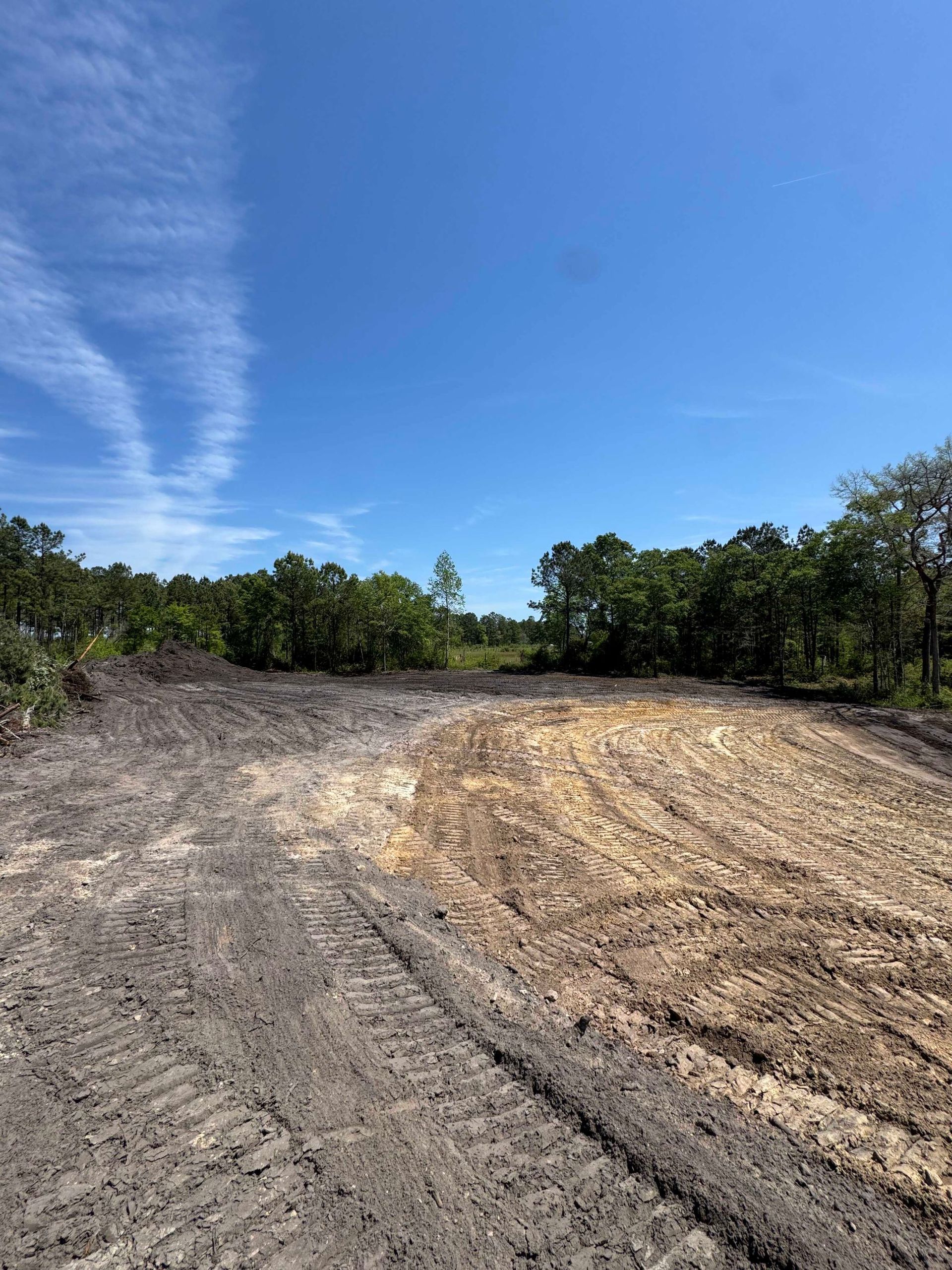
Construction schedules stall when building pads aren't level, drainage isn't addressed before foundations pour, and contractors show up to sites still covered in vegetation and unstable soil. Phillips Excavation completes residential site preparation across Leland and Wilmington through clearing, excavation, grading, and ground stabilization that transforms raw land into construction-ready platforms. Site preparation involves removing obstacles, reshaping elevations, establishing drainage paths, and compacting surfaces so concrete trucks, framing crews, and utility installers can work without delays caused by site conditions.
Proper site prep follows a sequence—clearing removes trees and vegetation, excavation cuts building pad areas to required elevation, grading establishes slopes that direct water away from structures, and compaction stabilizes ground that will support foundation loads. Each step must finish before the next phase begins, and skipping steps or rushing through compaction leads to settling, cracking, and drainage failures after the building is complete.
Schedule an evaluation to review site challenges and confirm preparation steps before construction begins.
What Site Preparation Actually Accomplishes
Site preparation starts with marking boundaries and locating underground utilities, then proceeds through clearing, stump removal, excavation to building pad elevation, installation of temporary drainage controls, and final grading to match engineering plans. Equipment compacts fill material in lifts if elevation needs to be raised, and access routes get stabilized so concrete trucks and material deliveries can reach the building area without rutting the ground.
When site prep finishes, the building pad sits at the correct elevation with level surfaces ready for foundation layout, water drains away from the construction area instead of pooling during rain, and equipment can move across the site without sinking into soft ground. Contractors begin work immediately instead of spending days correcting site issues, and foundation inspections pass because grades and elevations match submitted plans.
Site preparation also includes staging areas for material storage, temporary road installation if access is limited, and erosion control measures required by local permits when sites sit near wetlands or waterways common throughout New Hanover County. Some projects require soil testing before final compaction to confirm load-bearing capacity meets engineering specifications for the planned structure.
Questions Before Starting Your Project
Builders and property owners preparing for construction frequently ask about site prep timelines, coordination with other contractors, and how weather affects scheduling.
What steps are included in full site preparation?
Complete site prep includes clearing vegetation, removing stumps, excavating to building pad elevation, installing drainage controls, grading to engineering plans, and compacting surfaces to support construction loads.
How does site preparation coordination work with builders?
We review construction plans with contractors to confirm elevations, drainage routes, and access needs before starting work, then schedule phases so the site is ready when foundation crews arrive without unnecessary delays.
When should site prep begin relative to construction start dates?
Site preparation typically begins several weeks before construction starts to allow time for clearing, excavation, and grading, with final prep steps completing just before foundation work so surfaces don't degrade from weather exposure.
What site challenges are common in Leland?
Sandy soils require additional compaction steps to prevent settling, high water tables may need dewatering or elevation adjustments, and coastal rainfall demands careful drainage planning to keep sites dry during construction.
How is site stability verified before building begins?
Compaction testing confirms that fill material and building pad surfaces meet density requirements, with inspections ensuring grades and elevations match approved plans before concrete pours proceed.
Phillips Excavation works with property owners, builders, and contractors to deliver organized, construction-ready sites that keep projects moving forward on schedule. Contact us today to discuss your upcoming site preparation project and receive a detailed estimate.