
Property Access Starts With Cleared Ground
Land Clearing in Leland for overgrown lots, construction sites, and properties requiring vegetation removal
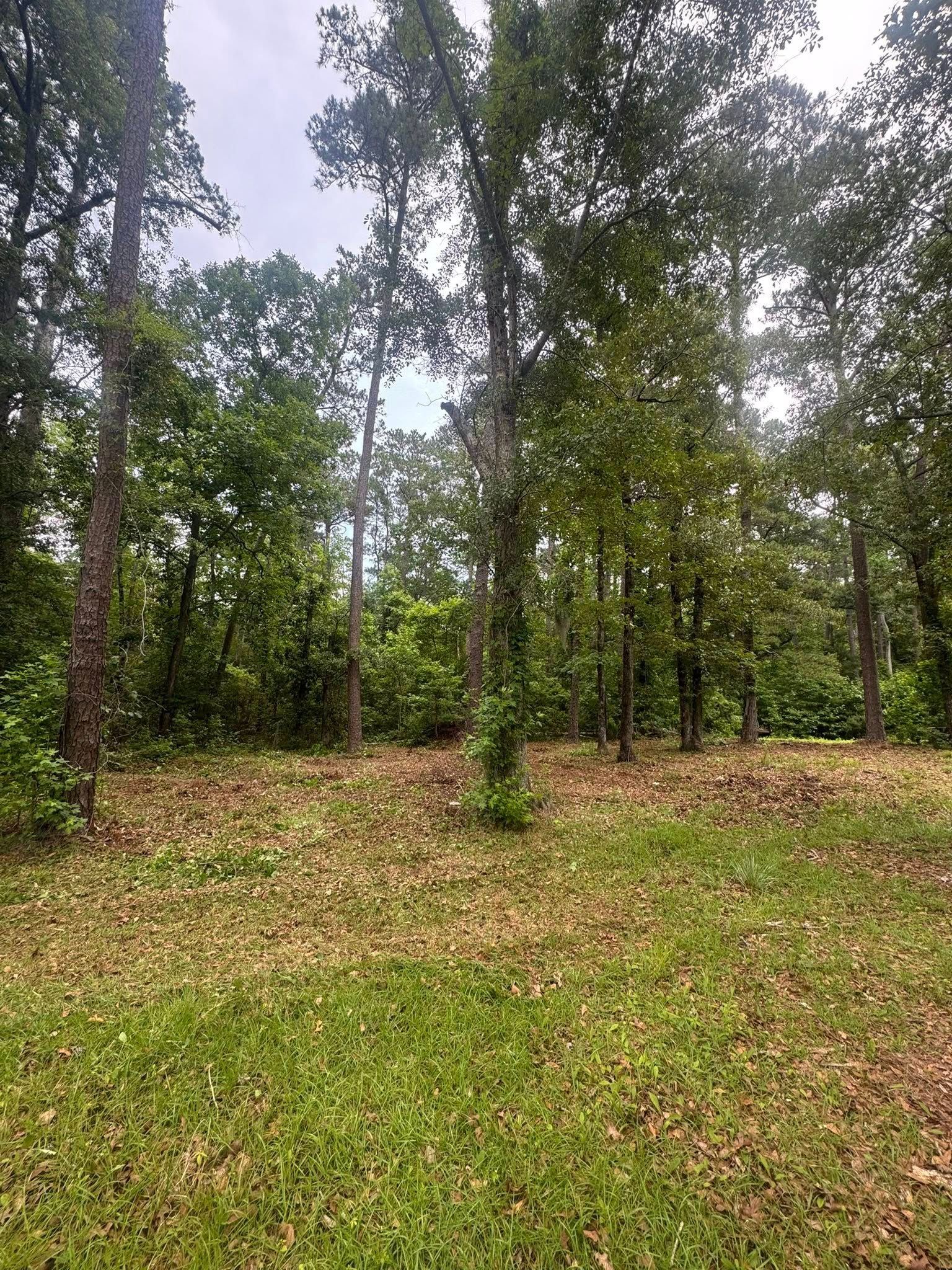
Dense undergrowth, saplings, and mature trees block access to building sites and prevent property improvements from moving forward. Phillips Excavation removes trees, brush, and unwanted vegetation from residential lots and acreage throughout Leland and Wilmington, creating clean space for driveways, homesites, and site development. You notice cleared sight lines, accessible ground for equipment, and usable land where overgrowth once prevented any meaningful work.
Land clearing involves cutting vegetation at ground level, removing root systems that interfere with construction, and hauling debris off-site or processing it into mulch depending on project goals. The approach changes based on what remains—clearing for a building pad requires complete removal down to soil level, while selective clearing preserves desirable trees and controls erosion on sloped terrain.
Request a free estimate to evaluate vegetation density and establish a clearing plan for your property.
What You Notice Once Clearing Is Finished
Clearing work starts by identifying property boundaries and marking trees or vegetation designated for removal, then proceeds systematically from one section to another to avoid unnecessary ground disturbance. Equipment grinds stumps below grade so they won't interfere with grading or construction, and debris gets sorted—logs may be stacked for removal while smaller brush gets chipped on-site if space allows.
Once clearing is complete, the property line becomes visible, construction equipment can access the building site without obstruction, and grading work proceeds without delays caused by hidden roots or embedded stumps. Sunlight reaches ground level, which helps soil dry faster after rain and improves site conditions for excavation and foundation work.
Land clearing timelines depend on acreage size and vegetation density—properties with mature hardwoods and tangled undergrowth take longer than open lots with scattered pines. Some projects include erosion control measures if cleared land sits on a slope or near wetlands, and others require permits if clearing affects protected species or regulated buffer zones common in coastal North Carolina.
Answers to Frequent Service Questions
Questions about debris removal, stump grinding, and project timing come up frequently when property owners prepare land for development or access improvements.
What happens to trees and brush after clearing?
Debris either gets hauled off-site to disposal facilities or processed into mulch and woodchips, depending on volume and whether you want material left on the property for erosion control or landscaping use.
How deep are stumps removed during land clearing?
Stumps typically get ground six to twelve inches below grade so they don't interfere with grading equipment or future construction, with deeper grinding available if underground utilities or drainage lines will cross the area.
When is the best time to clear land in Leland?
Dry months allow equipment to move across ground without rutting, but clearing can proceed year-round if access remains stable—wet seasons may require temporary access roads or matting to protect soil structure.
What gets preserved during selective clearing?
Trees outside the building envelope, natural buffers near wetlands, and vegetation that provides erosion control on slopes can be marked for preservation while surrounding undergrowth and problem trees get removed.
How does clearing affect drainage on the property?
Removing vegetation changes how water moves across the surface, so grading adjustments often follow clearing to direct runoff away from structures and prevent pooling in low areas.
Phillips Excavation completes land clearing with attention to surrounding areas and site functionality, preparing properties for the next phase of development. Contact us today to schedule a land clearing consultation and receive a project estimate.