
Access Routes Built for Daily Use
Driveways in Leland for residential properties, rural homesites, and private access requiring durable base preparation
Phillips Excavation prepares driveway foundations for properties throughout Leland and New Hanover County, excavating to proper depth and installing base material that supports vehicle weight without rutting or settling. Proper base preparation prevents the cracking, sinking, and washout that plague driveways built over unstabilized ground, especially in coastal areas where sandy soils shift under load and moisture fluctuations cause repeated freeze-thaw movement. You need professional driveway preparation when building new access routes, replacing failing surfaces, or improving rural property entrances that currently turn muddy after every rainstorm.
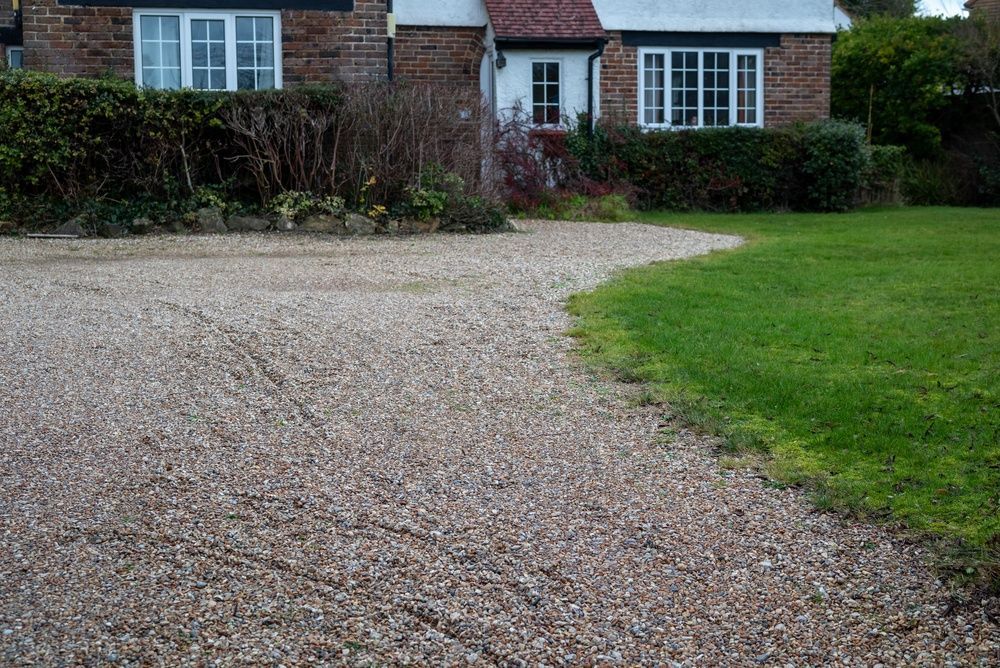
Driveway installation starts with excavation to remove unstable topsoil, followed by grading to establish proper slope for water runoff, then layering crushed stone or gravel base material that gets compacted in lifts to create a stable platform for asphalt, concrete, or gravel surfaces. Base depth varies based on soil conditions and expected traffic—residential driveways typically require six to eight inches of compacted base, while rural access roads handling heavier equipment may need twelve inches or more.
Request a detailed estimate based on your property layout and surface material preferences.
The Difference Between Proper and Inadequate Base Prep
Driveway work begins by staking the route and confirming width, then excavating to the required depth while maintaining side slopes that prevent edge collapse. Base material gets spread in layers and compacted with heavy equipment—each lift must reach target density before the next layer goes down, or the base will shift under vehicle weight and cause surface failure within months. Drainage considerations include crowning the center or sloping to one side so water doesn't pond on the surface.
After base preparation finishes, the driveway surface sits level without dips or humps, water drains to edges instead of pooling in the center, and vehicles travel the route without bouncing over soft spots or unstable sections. Asphalt or concrete poured over properly prepared base lasts years longer because the foundation underneath doesn't move, crack, or wash out when storms dump heavy rainfall across the property.
Driveway projects also address drainage along the route—culverts may be installed where the drive crosses natural drainage paths, and swales direct runoff away from the base material to prevent undermining. Some properties require permits if the driveway connects to public roads or crosses wetland buffers, and rural sites may need additional base thickness if soil testing reveals poor load-bearing capacity.
What Property Owners Usually Ask
Driveway questions often focus on base material types, drainage management, and timing for surface installation after excavation and grading finish.
What base material works best for driveways in Leland?
Crushed stone with angular edges compacts tighter than rounded gravel and provides better load distribution, with specific stone sizes selected based on whether the surface will be asphalt, concrete, or remain as gravel.
How is drainage managed along the driveway?
Proper grading creates a crown or cross-slope so water runs off the surface, with swales or culverts installed where natural drainage crosses the route to prevent water from undermining the base.
When can surface material be installed after base prep?
Asphalt or concrete can be placed once the base is compacted and inspected, typically within days if weather stays dry, though some projects wait for final grading around the driveway edges to be completed first.
What causes driveways to fail prematurely?
Inadequate base depth, poor compaction, lack of drainage control, and building over unstable soils without proper excavation all lead to cracking, rutting, and surface washout within the first few years.
How wide should a residential driveway be for daily use?
Standard driveways range from ten to twelve feet wide for single-vehicle access, with wider sections near garages or turnarounds to allow easier maneuvering without driving off the edge into soft ground.
Phillips Excavation tailors driveway preparation to site conditions and surface material requirements, building foundations designed for long-term performance. Contact us today for a free estimate on driveway installation and preparation services.