Water That Flows Away From Structures
Drainage in Leland for Properties Where Water Pools After Storms
Water accumulates in low spots, along foundation walls, and across yards when grading slopes toward structures instead of away from them. Phillips Excavation designs and installs drainage solutions in Leland, Wilmington, and New Hanover County when standing water threatens foundations, saturates landscaping, or creates impassable areas after rainfall. Coastal properties face unique drainage challenges because water table levels rise during heavy weather, soil composition includes dense clay layers that slow percolation, and storm surge events compound existing drainage deficiencies.
Proper drainage planning involves evaluating how water enters the property, where it collects, and where it can be directed safely away from structures and usable outdoor areas. Grading adjustments, french drains, and swales work together to redirect flow before erosion undermines hardscaping or water infiltrates crawlspaces and slabs.
Request a drainage assessment to identify problem areas and develop a site-specific solution.
Why Proper Grading Works for Long-Term Water Management
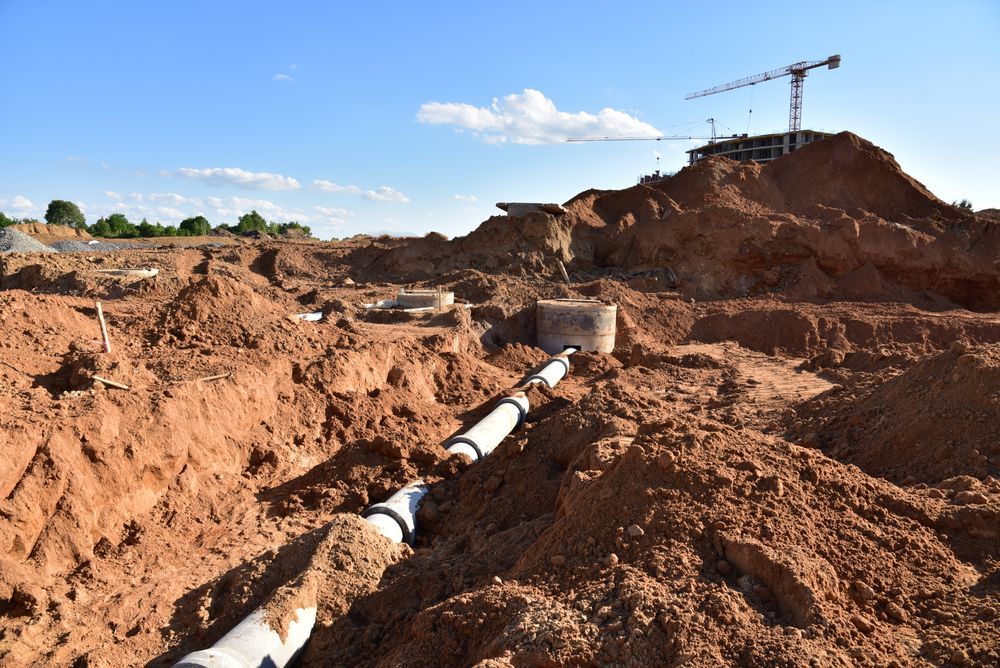
Drainage correction begins with evaluating existing grades and identifying where water naturally flows during rain events. The process involves measuring slopes, noting where water ponds, and determining whether adjustments to soil elevation or subsurface drainage will redirect flow more effectively. French drains use perforated pipe surrounded by gravel to capture water below ground level, while swales create shallow channels that carry surface runoff away from vulnerable areas.
Once the work is complete, water moves away from the foundation during storms instead of pooling against the structure, saturated areas dry faster after rainfall, and erosion patterns that previously carved channels across the yard stop advancing. Properly graded properties shed water quickly enough to prevent the standing pools that attract mosquitoes and kill grass.
Drainage solutions are designed based on property-specific factors including lot slope, soil permeability, and proximity to natural drainage paths or municipal storm systems. Projects often combine surface grading with subsurface drains to address both sheet flow and groundwater issues.
Common Questions About Drainage Work
Drainage planning involves variables that change from one property to another. These questions address how solutions are developed and what to expect from the work.
How do you determine the right drainage solution for a property?
The evaluation considers where water enters the lot, where it currently pools, soil composition, and existing grades. Solutions are designed to work with the property's natural topography rather than fighting it.
What causes drainage problems on properties that never had issues before?
Soil compaction from construction equipment, changes to neighboring properties that redirect water onto your lot, or settling that alters original grades can create new drainage patterns. New Hanover County properties also experience changes in water table levels as development increases impervious surfaces in surrounding areas.
Can drainage work be done without tearing up the entire yard?
Most solutions involve targeted grading or french drain installation in specific problem areas rather than reworking the entire property. The goal is to correct flow paths with minimal disruption to established landscaping.
What happens during heavy rain events after drainage improvements are installed?
The system is designed to handle typical storm volumes for the region, directing water away from structures and reducing ponding time. Extreme weather may still create temporary standing water, but it drains within hours instead of persisting for days.
How long does a drainage system last once it's installed?
Properly installed french drains and graded surfaces function for decades if maintained. Periodic inspection ensures that debris doesn't clog drain inlets and that erosion hasn't altered grading over time.
Phillips Excavation evaluates each property individually to develop drainage solutions that address current problems and prevent future issues. Contact us to schedule a free drainage assessment and discuss options for your property.